
Capture Trust

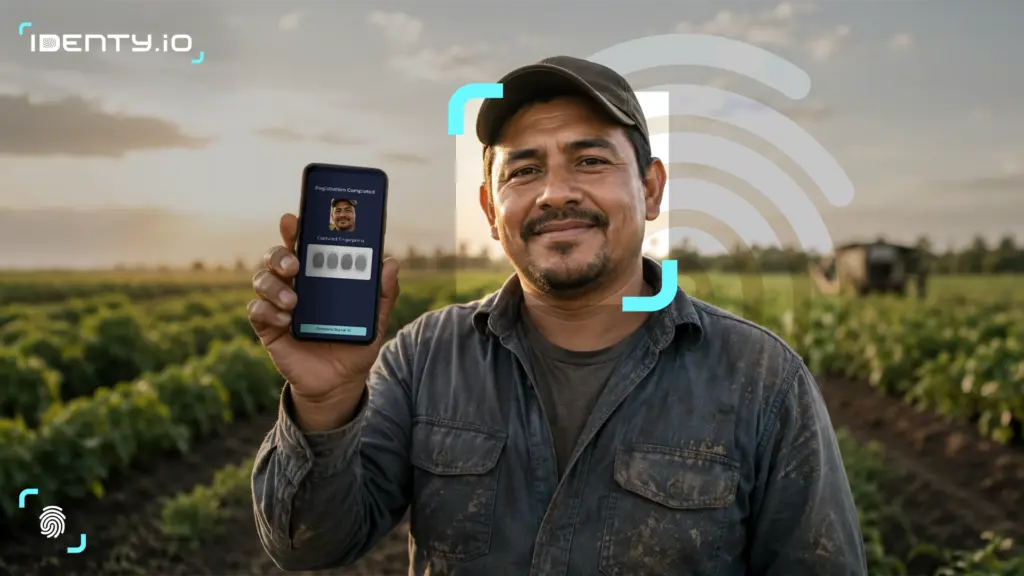
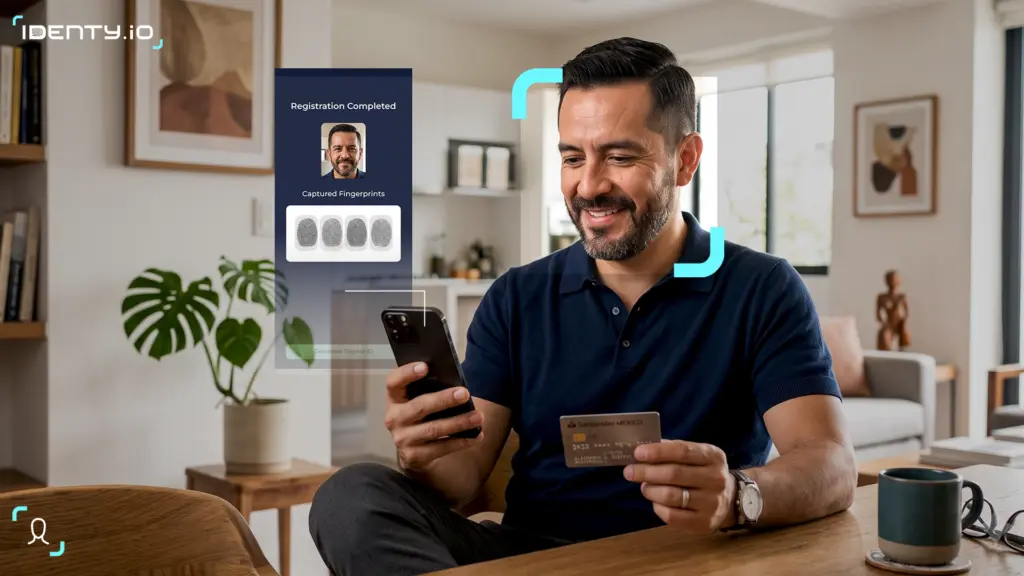
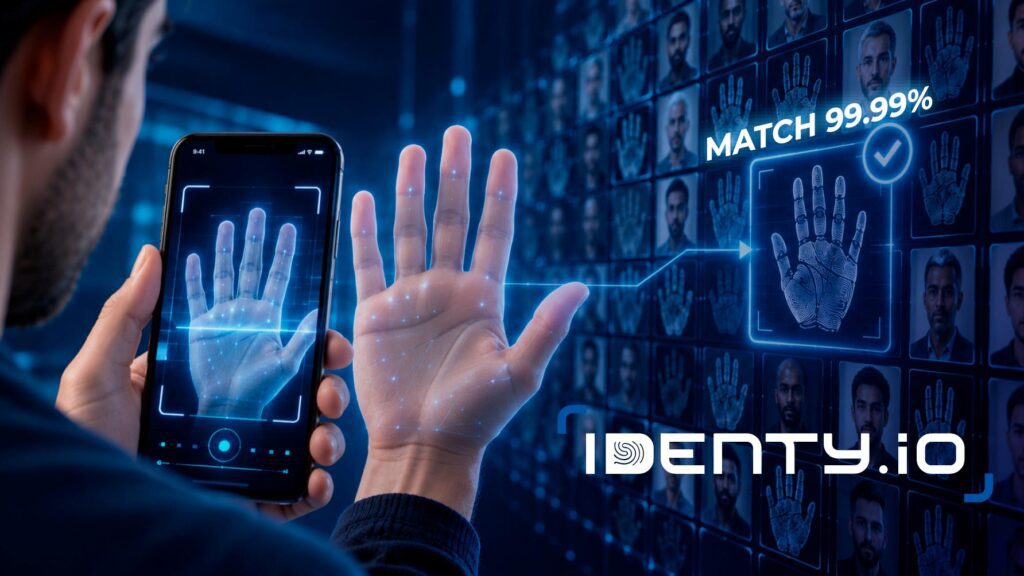
Identy.io provides biometric authentication on mobile phones, for secure and user-friendly identity verification, enabling government and corporate customers to grow operations with a cost-effective suite of products.

Biometrics, the new security standard to response the digital divide throughout Latin America

Technological advances have had a clear impact on the development of modern society. Its ability to connect people living thousands of miles apart, or the ease with which it has made it possible to carry out multiple activities from the comfort of one’s home, are just some of the key aspects of this impact. However, these same technological advances have also pushed millions of people out of the system by denying them access to the same digital services. The so-called digital divide is a reality in Latin America. In Mexico alone, more than 23 million people do not have access to

Deepfake threats in biometric verification

What is a biometric deepfake? A biometric deepfake is an AI-generated fake that imitates a person’s biometric data (typically facial images or voice), often with startling realism. Using deep neural networks, attackers can create synthetic faces or videos that closely mimic a real user’s appearance and expressions. These forgeries pose a serious threat to facial recognition systems and identity verification processes. Human eyes and even standard algorithms struggle to tell high-quality deepfakes apart from genuine footage, in one study, people only spotted deepfake videos 24.5% of the time.  This means 75% of deepfakes went unnoticed, underscoring how easily they could slip

How identy.io democratizes government procedures via digital identification thanks to its revolutionary mobile-first solution

The management of government procedures remains to this day often a complex process fraught with inconveniences, with different barriers that hinder equal access to basic services for all citizens. The need for the digitalization of these procedures, although it has always been evident, became even more apparent with the appearance of a pandemic that forced the population to stay at home, thus evidencing the lack of systems to make certain requests via telematics due to the lack of reliable digital identification systems.  Although the situation has improved since then thanks to technological advances, this has also been a double-edged sword due

The future of KYC with multimodal biometrics

As digital identity verification becomes critical in banking, fintech, and e-government, the future of Know Your Customer (KYC) lies in multimodal biometrics. This means using multiple biometric factors (like face, fingerprint, or voice) along with advanced AI techniques to verify identities. The goal is to balance a frictionless user experience with ironclad security. Demand for digital identity checks is soaring, global identity verifications are projected to exceed 70 billion in 2024, up from 61 billion in 2023. To stay ahead, organizations are embracing biometric KYC solutions such as Identy, a leading multimodal platform, to streamline digital onboarding, boost conversion rates, and

Reducing fraud with passive liveness detection

In today’s fintech and digital identity landscape, balancing security with user experience is critical. Fraudsters are constantly trying to spoof online onboarding systems using stolen photos, deepfake videos, or forged IDs, identity fraud cost the U.S. an estimated $43 billion in 2023. At the same time, legitimate customers expect a smooth, quick sign-up process. Passive liveness detection has emerged as a solution to this challenge. It acts as a silent guardian during digital onboarding, stopping fraud in the background without disrupting the user. Identy, a leader in biometric identity verification, champions passive liveness detection as an expert approach to reduce fraud while

How to choose the best facial recognition software provider

In an era where digital onboarding and remote services are the norm, choosing the right facial recognition software provider is a strategic decision, especially for fintech companies, financial institutions, public agencies, and e-government programs. The ideal provider doesn’t just offer accurate technology; it delivers superior user experience, strong security, and the scalability to grow with your needs. Business leaders like CMOs and CTOs must weigh how a vendor’s solution will impact user conversion rates, fraud prevention, and long-term flexibility. This guide breaks down key considerations and illustrates why leading providers such as Identy stand out in areas from passive liveness detection

2026 Trends in biometrics

2026 Trends in biometrics and digital verification

Biometric identity verification is poised for another leap in 2026, driven by a dual mandate: seamless user experience and uncompromising security. Digital onboarding has gone mainstream in fintech, banking, and e-government, with biometrics (like face or fingerprint ID) at the core of verifying “you are who you claim to be.” Global adoption of these technologies is accelerating, for example, the market for face biometric liveness checks is projected to more than double from 2025 to 2027. As organizations strive to onboard users remotely without losing them in the process, a key theme has emerged: the rise of passive liveness detection as

Biometric identification, the key to preventing fraud in the online gambling industry

The gambling industry is experiencing tremendous growth, with forecasts indicating that the global market will reach $744.8 billion by 2028 according to a recent IGamblingIQ report. However, this expansion also attracts malicious actors seeking to enrich themselves by committing fraud. These criminal activities have also registered an exponential increase in parallel with the gambling industry itself, registering an upsurge of up to 73% from 2022 to the end of 2024. These activities, which are becoming increasingly sophisticated thanks to technological advances such as deepfakes, have an estimated annual cost of $1 billion. The main entry point for the vast majority of

Best practices with advanced biometrics on KYC Process

Financial institutions are increasingly turning to biometric solutions to modernize their Know Your Customer (KYC) processes. For fintech companies and government initiatives in the United States, Brazil, and Mexico, advanced technologies like facial recognition and fingerprint identification offer significant advantages in preventing fraud and streamlining user onboarding. Why biometrics are critical to modern KYC Biometric data such as fingerprints and facial patterns are unique and hard to replicate, making them powerful tools for verifying identity. In the U.S., financial institutions use biometric KYC to meet flexible standards under the Bank Secrecy Act (BSA), where non-documentary verification methods are allowed. Brazil’s Central

Authentication vs Verification

Biometric verification: differences between authentication and verification

Biometric technologies are playing a central role in digital identity solutions, particularly in fintech and government. Understanding the distinction between biometric verification and biometric authentication is critical for CMOs, CTOs, and government leaders managing digital initiatives. Though often used interchangeably, these processes serve distinct purposes. Biometric verification versus biometric authentication What is biometric verification? Biometric verification is the process of confirming an individual’s identity by comparing a biometric trait (such as a face or fingerprint) to a trusted source, typically an ID document. This one-time process is commonly used during onboarding. For instance, when a user opens an account, the system

Identy.io’s biometric solutions as a guarantee of an adequate data protection in the healthcare sector

The healthcare sector has not been immune to the trend that has led virtually all sectors to almost total digitisation. Being able to access all patient medical records from a single computer, adapt any treatment to their specific needs in real time, carry out accurate monitoring of the patient’s condition using mobile devices (smart watches, for example), allowing for maximum personalisation of services, or requesting and managing appointments from a mobile phone are just some of the main advantages of incorporating the latest technology into the daily lives of doctors and patients. However, as in other sectors, this digitisation of services

Digital identity verification: Use cases in banks

Banks and fintechs are rapidly digitizing their services, making robust digital identity verification essential to prevent fraud and comply with regulations. As financial transactions move online, verifying that each customer is who they claim to be is crucial for meeting Know Your Customer (KYC) requirements and protecting against identity theft. For industry leaders, strong identity verification is not just about security it’s also a way to build customer trust in digital banking by ensuring every interaction is authentic and safe. Banks are turning to specialized digital identity verification solutions to achieve secure, seamless verification. Identy.io, for example, provides a mobile-first biometric

COPYRIGHT © 2026 IDENTY.IO