

Capture Trust

Identy.io provides biometric authentication on mobile phones, for secure and user-friendly identity verification, enabling government and corporate customers to grow operations with a cost-effective suite of products.

Best Deepfake Software Detection

Best Deepfake Detection Software

Deepfakes, AI-generated images, video or audio mimicking real people, threaten digital trust across fintech, banking, government and insurance sectors. Sophisticated fraudsters use deepfakes for voice or video phishing, identity theft and impersonation, undermining user confidence and business credibility. Organizations must deploy real-time detection tools and employee training to mitigate these risks. Leading solutions combine advanced AI liveness checks with smooth user experience, meet regulatory standards and scale to millions of transactions. For example, the Identy.io mobile biometric platform integrates on-device deepfake detection alongside passive liveness checks. Certified identity frameworks like the FIDO Alliance Face Verification program now explicitly evaluate deepfake resistance. This
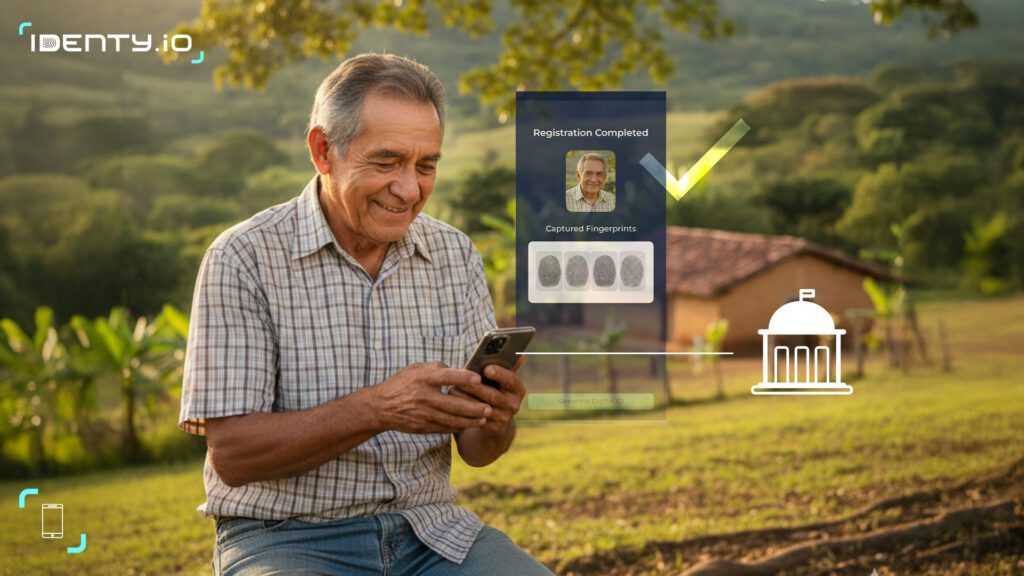
Identy.io Biometrics: A Universal Solution to Social Invisibility for Those Without Digital Identity

The rapid pace of technological development in recent years has had a profound social impact, particularly in easing remote access to a wide range of services. Today, users can consult their medical history or follow-up treatments from the comfort of their homes. They can even complete social benefit applications without ever stepping foot in a government office. But what happens when that same technology becomes a barrier? What if, instead of fostering social integration, it has the opposite effect? According to Peru’s RENIEC (National Registry of Identification and Civil Status), over 360,000 people are not officially registered and, therefore, lack any

Identity theft prevention and protection

Digital identity theft prevention and protection Identity theft remains a growing threat for financial and government services, challenging digital trust and user experience. In 2024 U.S. authorities received over 1.1 million identity-theft reports, underscoring the scale of the problem. New fraud patterns (e.g. tax-refund schemes, synthetic identities, AI-driven deepfakes) demand advanced solutions. This report examines risk trends and regulatory context, and outlines a layered defense strategy: strong biometric authentication, real-time fraud analytics, and user-centric protections (like credit monitoring and insurance). For example, Identy.io (a FIDO Alliance member) offers a touchless mobile biometric platform with built-in liveness checks, illustrating how modern identity

Biometric identity verification for government digital services

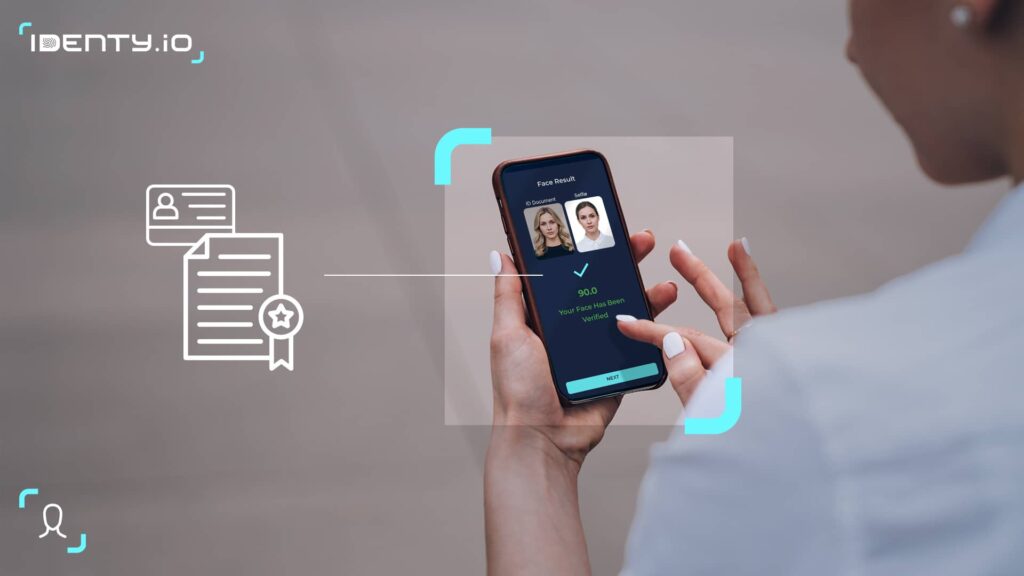
Biometric identity verification for taxpayer accounts using facial recognition One high-profile example is the Internal Revenue Service’s attempt to use facial recognition for its online taxpayer accounts. In 2021 and 2022, the IRS verified users by matching a selfie to their photo ID before granting access to tax records. This biometric verification aimed to prevent identity theft and fraud in IRS e-services, while also moving toward more privacy-preserving models based on on-device biometric processing and strict data minimization principles, aligned with GDPR and FIDO standards. Following public backlash over privacy concerns, the IRS introduced an alternative path: taxpayers could opt for

Kidnapping and Human Trafficking: Biometric Technology Takes Aim at Global Crime

Crime remains one of the world’s most persistent social plagues. While theft and fraud continue to drain the global economy, crimes against personal integrity and freedom have become a top global priority—particularly in Latin America. In Mexico, for instance, more than 30,000 crimes against personal freedom were reported last year—a figure that is likely much higher given that many victims never come forward. In Colombia, an estimated 137,600 people suffered from “confinement”—the restriction of free movement by armed or terrorist groups—while over 3,200 minors remain missing according to the Unit for the Search for Persons Deemed as Missing. Meanwhile, in Brazil,

FIDO authentication for secure mobile access

In today’s fintech, banking, and government services, mobile channels carry high stakes. Account breaches and fraud not only incur financial losses but erode customer trust. Unfortunately, traditional passwords and OTPs are falling short. Credential theft remains rampant, IBM’s threat intelligence reports that stolen passwords are the leading cause of breaches, with nearly one-third of cyberattacks involving hijacked user accounts. This risk is amplified by emerging threats like AI-driven deepfakes. The World Economic Forum’s Cybercrime Atlas initiative warns that sophisticated deepfake tools now enable criminals to bypass facial verification and KYC processes, undermining digital trust and creating systemic risks for institutions. Likewise,

Biometrics, the new security standard to response the digital divide throughout Latin America

Technological advances have had a clear impact on the development of modern society. Its ability to connect people living thousands of miles apart, or the ease with which it has made it possible to carry out multiple activities from the comfort of one’s home, are just some of the key aspects of this impact. However, these same technological advances have also pushed millions of people out of the system by denying them access to the same digital services. The so-called digital divide is a reality in Latin America. In Mexico alone, more than 23 million people do not have access to

Deepfake threats in biometric verification

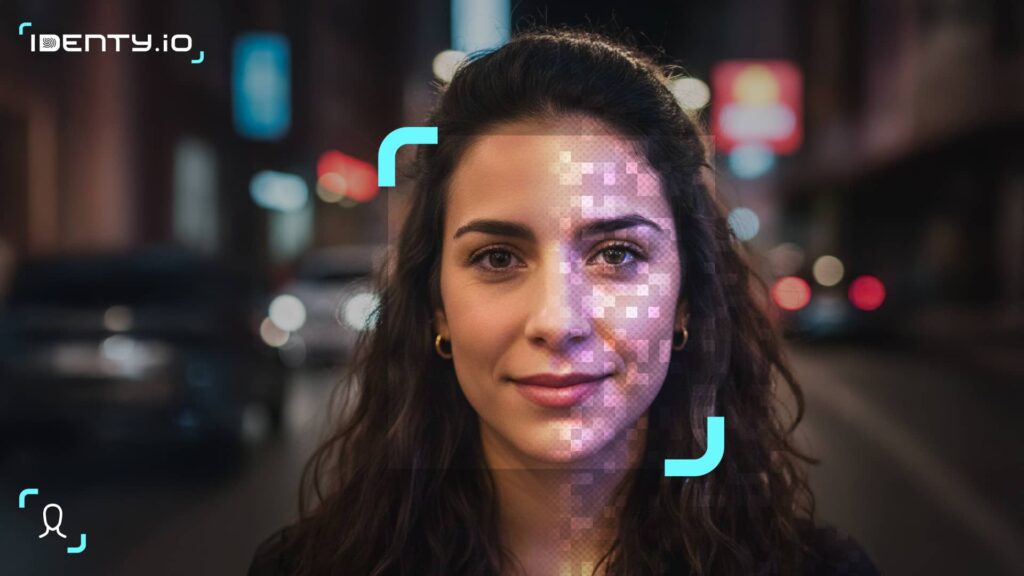
What is a biometric deepfake? A biometric deepfake is an AI-generated fake that imitates a person’s biometric data (typically facial images or voice), often with startling realism. Using deep neural networks, attackers can create synthetic faces or videos that closely mimic a real user’s appearance and expressions. These forgeries pose a serious threat to facial recognition systems and identity verification processes. Human eyes and even standard algorithms struggle to tell high-quality deepfakes apart from genuine footage, in one study, people only spotted deepfake videos 24.5% of the time.  This means 75% of deepfakes went unnoticed, underscoring how easily they could slip

How identy.io democratizes government procedures via digital identification thanks to its revolutionary mobile-first solution

The management of government procedures remains to this day often a complex process fraught with inconveniences, with different barriers that hinder equal access to basic services for all citizens. The need for the digitalization of these procedures, although it has always been evident, became even more apparent with the appearance of a pandemic that forced the population to stay at home, thus evidencing the lack of systems to make certain requests via telematics due to the lack of reliable digital identification systems.  Although the situation has improved since then thanks to technological advances, this has also been a double-edged sword due

The future of KYC with multimodal biometrics

As digital identity verification becomes critical in banking, fintech, and e-government, the future of Know Your Customer (KYC) lies in multimodal biometrics. This means using multiple biometric factors (like face, fingerprint, or voice) along with advanced AI techniques to verify identities. The goal is to balance a frictionless user experience with ironclad security. Demand for digital identity checks is soaring, global identity verifications are projected to exceed 70 billion in 2024, up from 61 billion in 2023. To stay ahead, organizations are embracing biometric KYC solutions such as Identy, a leading multimodal platform, to streamline digital onboarding, boost conversion rates, and

Reducing fraud with passive liveness detection

In today’s fintech and digital identity landscape, balancing security with user experience is critical. Fraudsters are constantly trying to spoof online onboarding systems using stolen photos, deepfake videos, or forged IDs, identity fraud cost the U.S. an estimated $43 billion in 2023. At the same time, legitimate customers expect a smooth, quick sign-up process. Passive liveness detection has emerged as a solution to this challenge. It acts as a silent guardian during digital onboarding, stopping fraud in the background without disrupting the user. Identy, a leader in biometric identity verification, champions passive liveness detection as an expert approach to reduce fraud while

How to choose the best facial recognition software provider

In an era where digital onboarding and remote services are the norm, choosing the right facial recognition software provider is a strategic decision, especially for fintech companies, financial institutions, public agencies, and e-government programs. The ideal provider doesn’t just offer accurate technology; it delivers superior user experience, strong security, and the scalability to grow with your needs. Business leaders like CMOs and CTOs must weigh how a vendor’s solution will impact user conversion rates, fraud prevention, and long-term flexibility. This guide breaks down key considerations and illustrates why leading providers such as Identy stand out in areas from passive liveness detection