
Capture Trust

Identy.io provides biometric authentication on mobile phones, for secure and user-friendly identity verification, enabling government and corporate customers to grow operations with a cost-effective suite of products.

2026 Trends in biometrics

2026 Trends in biometrics and digital verification

Biometric identity verification is poised for another leap in 2026, driven by a dual mandate: seamless user experience and uncompromising security. Digital onboarding has gone mainstream in fintech, banking, and e-government, with biometrics (like face or fingerprint ID) at the core of verifying “you are who you claim to be.” Global adoption of these technologies is accelerating, for example, the market for face biometric liveness checks is projected to more than double from 2025 to 2027. As organizations strive to onboard users remotely without losing them in the process, a key theme has emerged: the rise of passive liveness detection as

Biometric identification, the key to preventing fraud in the online gambling industry

The gambling industry is experiencing tremendous growth, with forecasts indicating that the global market will reach $744.8 billion by 2028 according to a recent IGamblingIQ report. However, this expansion also attracts malicious actors seeking to enrich themselves by committing fraud. These criminal activities have also registered an exponential increase in parallel with the gambling industry itself, registering an upsurge of up to 73% from 2022 to the end of 2024. These activities, which are becoming increasingly sophisticated thanks to technological advances such as deepfakes, have an estimated annual cost of $1 billion. The main entry point for the vast majority of

Best practices with advanced biometrics on KYC Process

Financial institutions are increasingly turning to biometric solutions to modernize their Know Your Customer (KYC) processes. For fintech companies and government initiatives in the United States, Brazil, and Mexico, advanced technologies like facial recognition and fingerprint identification offer significant advantages in preventing fraud and streamlining user onboarding. Why biometrics are critical to modern KYC Biometric data such as fingerprints and facial patterns are unique and hard to replicate, making them powerful tools for verifying identity. In the U.S., financial institutions use biometric KYC to meet flexible standards under the Bank Secrecy Act (BSA), where non-documentary verification methods are allowed. Brazil’s Central

Authentication vs Verification

Biometric verification: differences between authentication and verification

Biometric technologies are playing a central role in digital identity solutions, particularly in fintech and government. Understanding the distinction between biometric verification and biometric authentication is critical for CMOs, CTOs, and government leaders managing digital initiatives. Though often used interchangeably, these processes serve distinct purposes. Biometric verification versus biometric authentication What is biometric verification? Biometric verification is the process of confirming an individual’s identity by comparing a biometric trait (such as a face or fingerprint) to a trusted source, typically an ID document. This one-time process is commonly used during onboarding. For instance, when a user opens an account, the system

Identy.io’s biometric solutions as a guarantee of an adequate data protection in the healthcare sector

The healthcare sector has not been immune to the trend that has led virtually all sectors to almost total digitisation. Being able to access all patient medical records from a single computer, adapt any treatment to their specific needs in real time, carry out accurate monitoring of the patient’s condition using mobile devices (smart watches, for example), allowing for maximum personalisation of services, or requesting and managing appointments from a mobile phone are just some of the main advantages of incorporating the latest technology into the daily lives of doctors and patients. However, as in other sectors, this digitisation of services

Digital identity verification: Use cases in banks

Banks and fintechs are rapidly digitizing their services, making robust digital identity verification essential to prevent fraud and comply with regulations. As financial transactions move online, verifying that each customer is who they claim to be is crucial for meeting Know Your Customer (KYC) requirements and protecting against identity theft. For industry leaders, strong identity verification is not just about security it’s also a way to build customer trust in digital banking by ensuring every interaction is authentic and safe. Banks are turning to specialized digital identity verification solutions to achieve secure, seamless verification. Identy.io, for example, provides a mobile-first biometric

What is digital proof of identity and how to apply it in KYC

In an increasingly digital environment, verifying users’ identities remotely has become essential to prevent fraud and ensure regulatory compliance. What is digital proof of identity? Digital proof of identity is a method used to confirm a person’s identity through digital means. In practice, the user submits digital copies of identity documents so automated systems can verify their validity and authenticity. At the same time, document data is matched to the individual through biometrics: the photo on the document is compared with a recent selfie, and a liveness test (such as blinking,  smiling, or turning their head) is performed to confirm the

When machines see too much: protecting emotions in face recognition

Our faces are becoming digital keys. They unlock phones, let us board planes, and grant us access to secure spaces. Facial recognition is fast becoming central to how we prove who we are in the digital age. But there’s a hidden twist: modern systems don’t just recognize identity—they can also infer emotions. A smile, a frown, or a tense jaw can all be classified into categories like “happy,” “angry,” or “nervous.” For humans, these signals are fleeting and often ambiguous. For machines, they risk becoming permanent data points, stored and analyzed without context. That’s where the work of Dr. Alejandro Peña—PhD

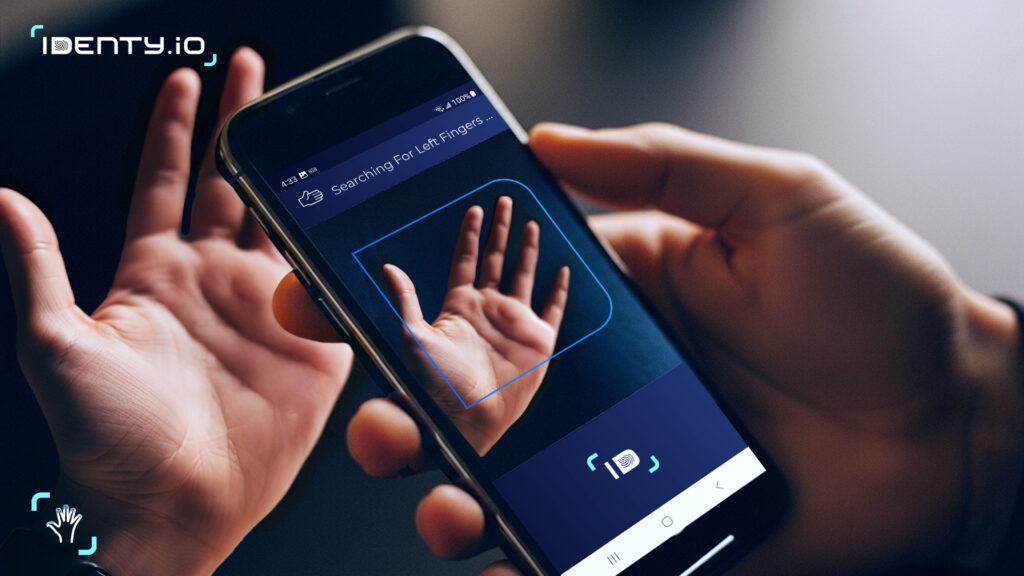
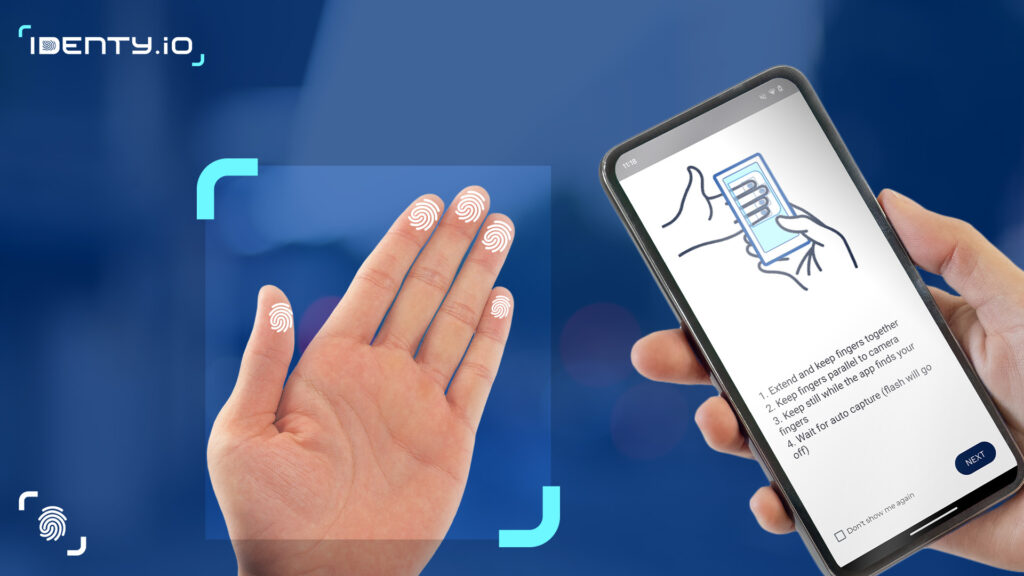
Fingerprint biometric capture

Fingerprint biometrics identify people by the unique patterns of ridges and minutiae on their fingers. When a fingerprint is scanned, software converts the ridges and valleys into a digital image and then extracts distinctive features (minutiae) to form a biometric template. Later, a new fingerprint sample is compared against this template: a “1:1” match (verification) confirms identity, while a “1:N” match (identification) searches a database. The system’s accuracy is often measured by its false-accept and false-reject rates. In practice, fingerprint matching is extremely reliable because no two fingerprints are alike, making this one of the most mature biometric technologies. Hardware integration

Accurate fingerprint biometrics solution

Fingerprint biometrics rely on capturing a person’s unique fingerprint ridge patterns for identity verification. This method is highly reliable and widely trusted. In fact, NIST’s testing found top fingerprint-matching algorithms achieved about 98.6% accuracy with a single finger and ~99.9% with four or more fingers. In practice, adding more fingers greatly boosts overall precision. These figures show why fingerprints are a robust identity factor: the more finger data used, the higher the matching accuracy. Evaluating matching accuracy When we implement fingerprint systems, we focus on two key metrics: false-accept rate (FAR) and false-reject rate (FRR). FAR measures how often an impostor

Identy.io achieves top NIST biometric certification results

Cases of fraud caused by identity theft continue to grow worldwide. In the US alone, detected cases of identity theft increased by 148% between April 2024 and March 2025, according to the “2025 Trends in Identity Report” published by the Identity Theft Resource Center (ITRC).  This study also reveals that in 53% of cases involving identity theft, control was taken directly over existing accounts, both bank and social media, while in 36% of attacks, the stolen information was used to create new accounts, for example, by issuing new credit cards linked to the victims. In a context where technological advancement has

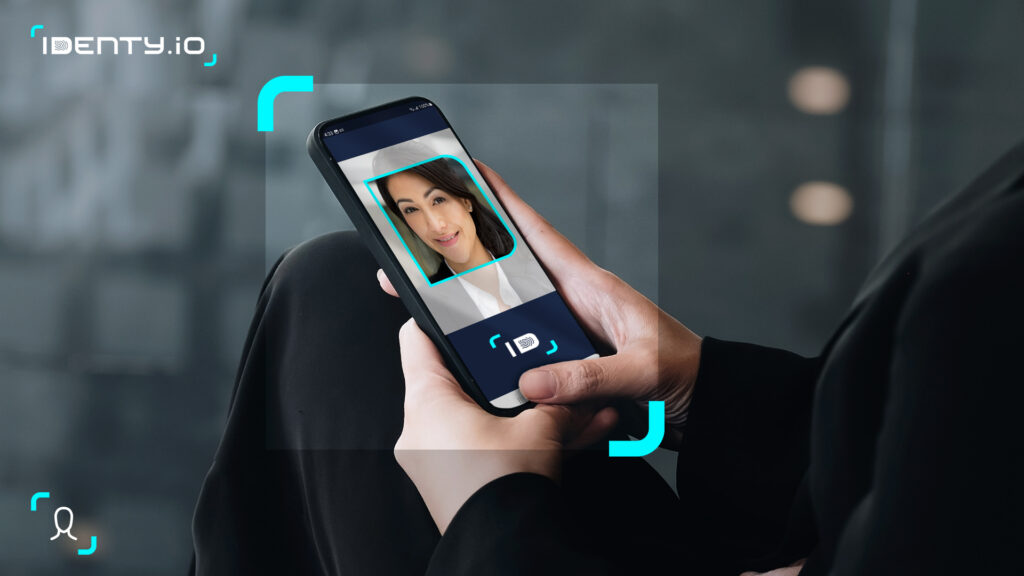
Face liveness detection: how it works and how it prevents biometric fraud

In a world where digital onboarding, banking, and authentication are rapidly becoming facially driven, ensuring that the face presented during biometric verification belongs to a live person, not a photo, video, or deepfake, is critical. This is the role of face liveness detection. It confirms that the camera is capturing a real human being in real time, helping prevent identity fraud, account takeovers, and regulatory breaches. Liveness detection has become a standard part of face recognition workflows, particularly in sectors where trust and compliance are essential. Fraudulent attacks on biometric solutions are growing more advanced, using high-resolution printouts, AI-generated media, and