


Table of Contents
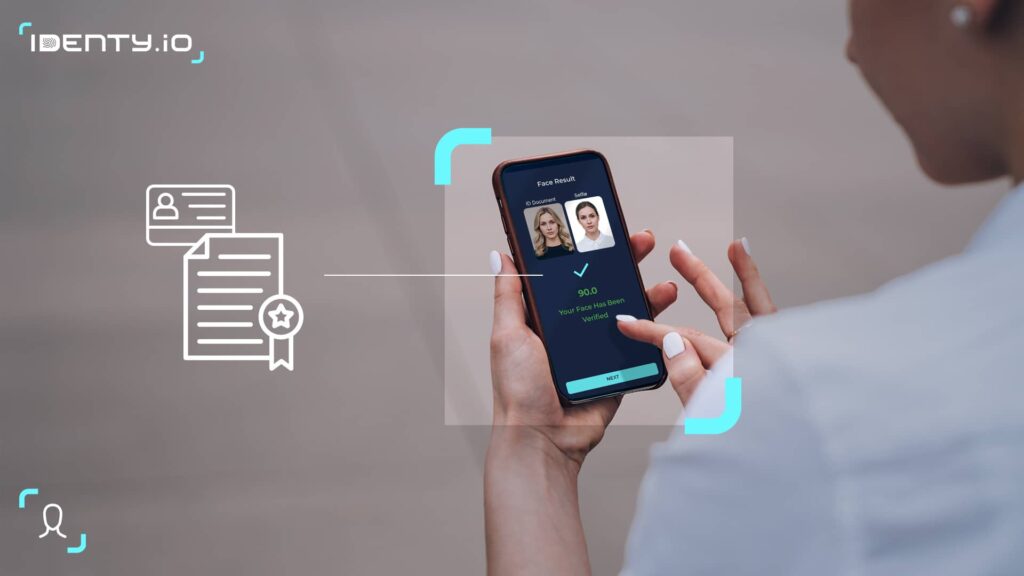
ToggleFinancial institutions are increasingly turning to biometric solutions to modernize their Know Your Customer (KYC) processes. For fintech companies and government initiatives in the United States, Brazil, and Mexico, advanced technologies like facial recognition and fingerprint identification offer significant advantages in preventing fraud and streamlining user onboarding.
Why biometrics are critical to modern KYC
Biometric data such as fingerprints and facial patterns are unique and hard to replicate, making them powerful tools for verifying identity. In the U.S., financial institutions use biometric KYC to meet flexible standards under the Bank Secrecy Act (BSA), where non-documentary verification methods are allowed. Brazil’s Central Bank mandates stricter procedures, where banks often supplement traditional data checks with facial recognition software to improve efficiency. In Mexico, biometric verification is mandatory for most financial institutions, requiring fingerprints to be matched against national databases.
Best practices for implementation
1. Incorporate liveness detection
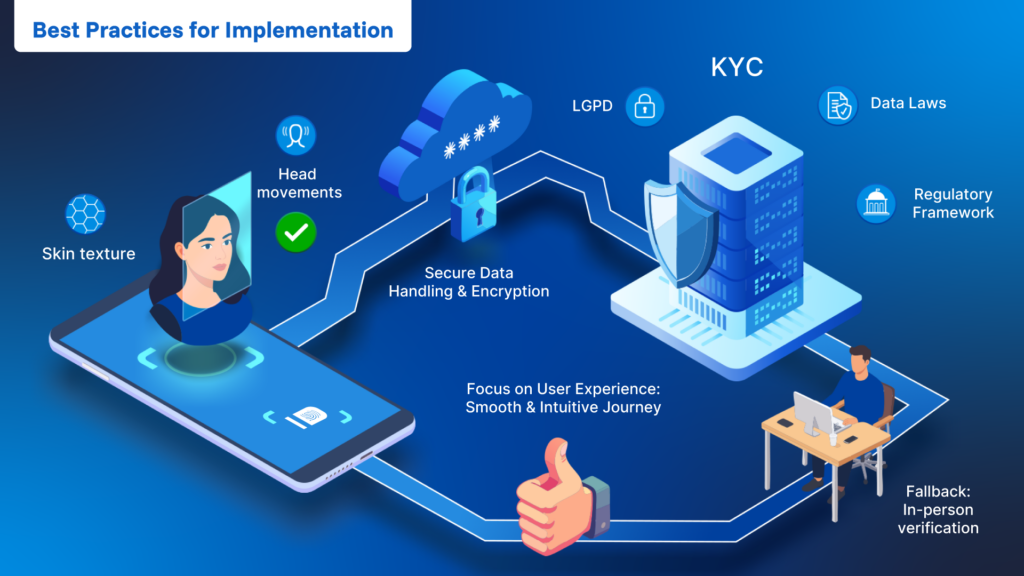
Liveness detection ensures that biometric data comes from a live person rather than a spoof. For facial recognition, passive liveness analyzes skin texture, depth, and micro-movements automatically – without requiring users to blink, smile, or move their heads. This frictionless approach improves completion rates compared to active methods that interrupt the user flow. For fingerprint verification, modern touchless solutions capture ridge patterns using smartphone cameras, detecting liveness through texture analysis without dedicated hardware scanners.
2. Secure data handling
Since biometrics are sensitive personal data, organizations must store this information securely. Encryption and limited access protocols are essential. Brazil’s LGPD and Mexico’s data protection laws require explicit user consent and transparency in biometric data usage.
3. Align with regulatory frameworks
In the U.S., institutions must ensure their KYC processes can establish a “reasonable belief” of a customer’s identity. In Brazil, financial institutions should integrate biometric solutions that comply with Circular 3,978, including periodic data revalidation. Mexican law mandates fingerprint-based identity verification for financial account creation, making it essential to work with approved national databases.
4. Offer alternatives and ensure consent
Even with the security benefits of biometrics, offering alternatives for identity verification is a legal requirement in several jurisdictions. Transparent user consent and fallback options like in-person verification ensure both inclusivity and compliance.
5. Focus on user experience
Biometric flows should be simple and intuitive. Clear instructions and real-time feedback help ensure a smooth onboarding experience. A well-designed KYC journey improves conversion rates while maintaining high security.
Regional Regulations Snapshot
- United States: BSA allows flexible identity verification; state laws like Illinois’ BIPA require explicit consent for biometric use.
- Brazil: Central Bank guidelines encourage biometrics; LGPD mandates consent and strong data protection.
- Mexico: CNBV mandates biometric identity checks; federal privacy laws require secure handling and user choice.
Biometrics bring speed, security, and scalability to KYC. By adhering to regional laws, prioritizing user experience, and deploying technologies like facial recognition and fingerprint scanning responsibly, fintechs and government agencies can create efficient and trustworthy digital onboarding systems.
- FinCEN – Bank Secrecy Act Guidelines (2016)
- CNBV (2018)
- Central Bank of Brazil – Circular No. 3,978 (2020)