

Table of Contents
ToggleIn an era where digital onboarding and remote services are the norm, choosing the right facial recognition software provider is a strategic decision, especially for fintech companies, financial institutions, public agencies, and e-government programs. The ideal provider doesn’t just offer accurate technology; it delivers superior user experience, strong security, and the scalability to grow with your needs. Business leaders like CMOs and CTOs must weigh how a vendor’s solution will impact user conversion rates, fraud prevention, and long-term flexibility. This guide breaks down key considerations and illustrates why leading providers such as Identy stand out in areas from passive liveness detection and anti-spoofing to digital onboarding and biometric verification UX.
Prioritize user experience and conversion rates
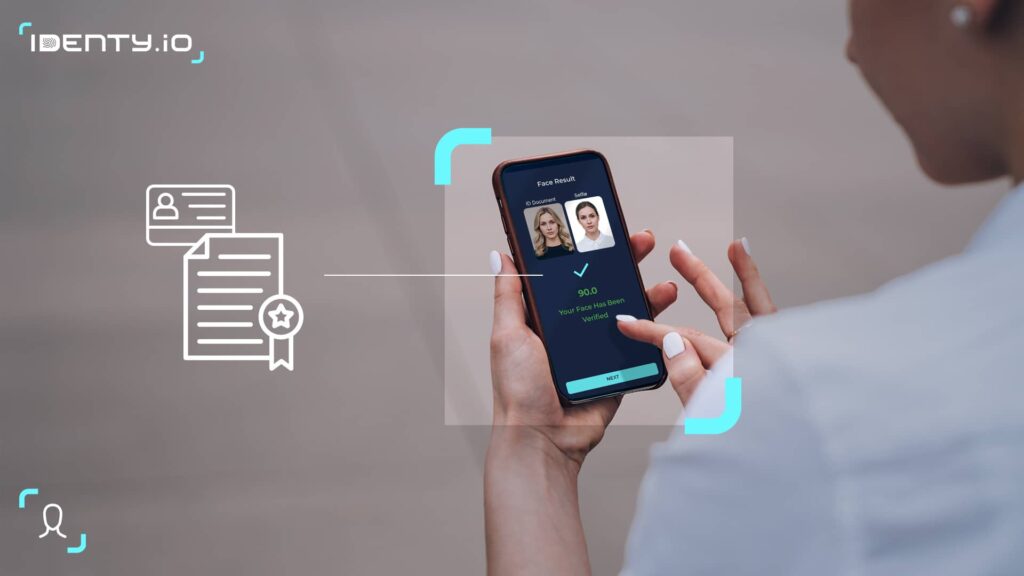
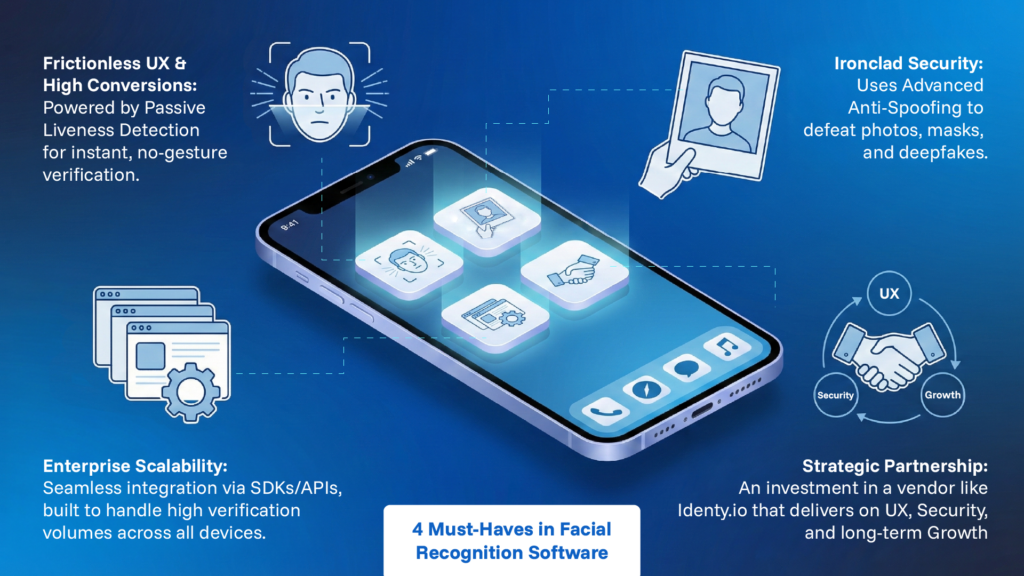
A smooth user experience can make or break your digital onboarding process. If customers find verification cumbersome or confusing, they may abandon the sign-up. The best facial recognition providers prioritize a frictionless biometric verification UX to maximize conversions. This is where passive liveness detection becomes crucial. Unlike active systems that prompt users to blink or turn their head, passive liveness runs silently in the background, using AI to analyze subtle cues like skin texture, lighting reflections, and micro-movements to confirm the user is alive. No extra steps are needed from the user, which means verification feels instantaneous and natural.
Frictionless verification with passive liveness
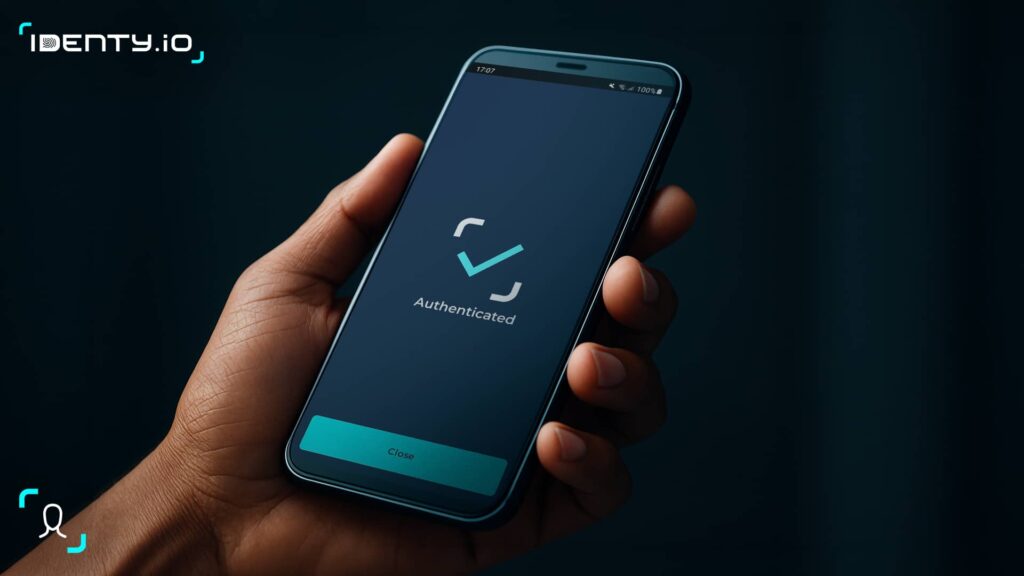
By eliminating awkward prompts and pauses, passive liveness creates a seamless experience. Users simply take a selfie and the system does the rest, often in under a second. This lack of friction directly improves completion rates, faster, easier verification leads to more successful onboardings. In fact, passive liveness is associated with higher conversion rates because there are no interruptions or “failed” liveness tests frustrating the user. Identy emphasizes a “low friction, high trust” approach: its platform removes the need for any user gestures, delivering a frictionless verification experience in under a second. Even in challenging conditions (like low light or for less tech-savvy users), the process remains intuitive. The result is a smooth onboarding flow that keeps customers moving forward rather than dropping out.
Ensure robust security and fraud prevention
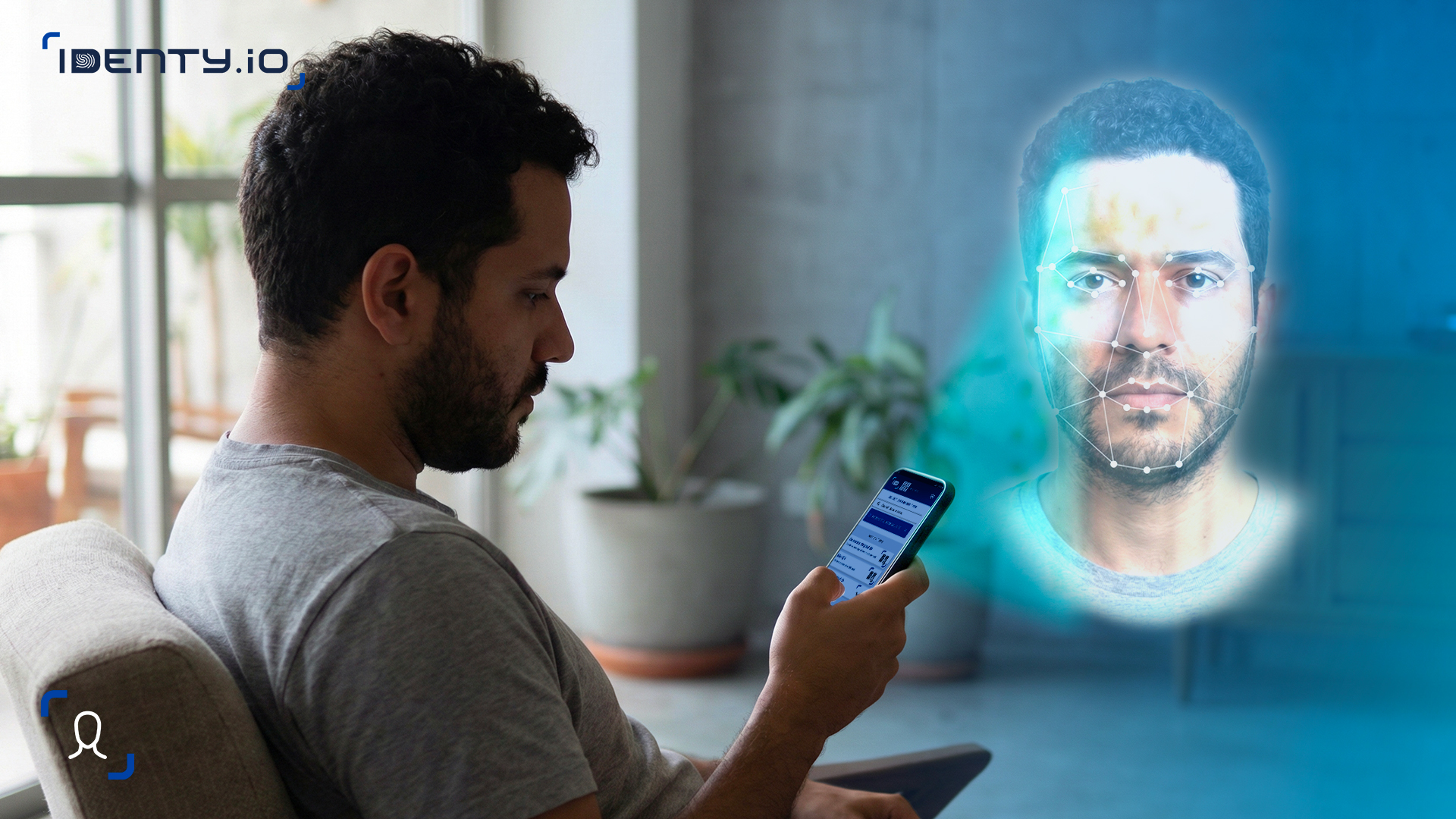
While user experience is critical, security cannot be compromised, especially in fintech and government applications where fraud and identity theft are major concerns. High-quality providers distinguish themselves with advanced anti-spoofing measures to detect and block fake faces, photos, masks, or deepfakes. Liveness detection is a cornerstone of this defense. It checks for subtle human traits (such as real skin texture, 3D face depth, natural light reflections, and involuntary micro-expressions) to confirm the person is physically present. Passive liveness excels here by analyzing multiple biometric signals simultaneously (e.g. facial micro-movements, eye blinks, skin details) without tipping off fraudsters. This multi-layered analysis makes it extremely difficult for an imposter to fool the system with a static image or video.
Advanced anti-spoofing technology
Look for a provider that has a proven liveness detection mechanism compliant with industry standards and certifications. For example, Identy’s AI-driven platform uses passive liveness to detect everything from printed photos and 2D/3D masks to high-tech deepfakes in real time. This kind of rigorous anti-spoofing keeps identity fraud at bay and meets the strict security requirements of regulated industries. (Identy’s technology has even been independently tested to comply with ISO 30107-3 Level 1 and 2, the gold-standard for presentation attack detection.) The impact of robust liveness is evident: one leading European fintech that switched to passive liveness in its KYC process saw approval times drop below 30 seconds while fraud attempts fell by 70%. The right provider will have similar success stories, demonstrating that strong security can go hand-in-hand with a smooth user journey.
Assess scalability and integration capabilities
Another key consideration is whether the facial and finger recognition solution can scale and integrate with your existing systems. As your user base grows or as you roll out new channels (mobile app, web, in-branch kiosks, etc.), the technology should handle high volumes without sacrificing performance. A top-tier provider will offer flexible deployment options, from mobile SDKs for smartphone apps to RESTful APIs for server integration, ensuring you can embed face and finger verification into any platform seamlessly. Identy, for instance, provides a lightweight face and finger verification native SDK that’s easy to embed in iOS/Android apps and an API for backend systems. This enables companies to plug biometric verification into banking platforms, citizen portals, or enterprise systems with minimal friction.
Scalability also means accommodating various devices and environments. Identy’s solution is designed to work across smartphones (even low-end models), tablets, or desktop webcams, and even offline on-device if needed, without requiring special hardware. This broad compatibility is crucial for public-sector programs and banks that must serve diverse user groups. Additionally, consider providers with a track record of large deployments – whether onboarding millions of fintech app users or verifying citizens nationwide. Passive liveness systems are particularly suited for scale, as they operate quickly and automatically, making them “perfect for enterprises handling thousands of verifications daily”. Finally, ensure the provider supports your compliance needs: integrations to match faces against existing databases (e.g. government-issued IDs) and adherence to privacy regulations. Identy’s platform, for example, captures face images to international standards (ISO/ICAO) and can interoperate with national identity systems for secure e-government verification.
Real-world use cases and success stories
Seeing how a provider performs in scenarios similar to yours is invaluable. Fintech and e-government are two sectors where facial recognition with passive liveness has shone, balancing security with user convenience.
Fintech: seamless digital onboarding
Digital banks, fintech apps, and online lenders thrive or fail based on onboarding conversion rates and fraud losses. A top facial recognition provider helps maximize the former and minimize the latter. Imagine a mobile banking app verifying new customers: a clunky active liveness check (“blink twice, turn your head”) might frustrate users, but a silent passive liveness flow lets users verify their identity just by taking a quick selfie. This improves sign-up completion and maintains strong security. In practice, many fintech firms report smoother KYC processes when adopting passive liveness. As noted above, one European fintech saw a dramatic boost in onboarding efficiency and fraud reduction after implementing passive liveness. Identy’s technology is already used in digital onboarding for banking and payments, where its fraud prevention capabilities (e.g. detecting spoofed faces) help meet strict compliance (KYC/AML) while its intuitive UX keeps customers happy. By offering features like automatic face capture and instant liveness checks, providers like Identy enable fintechs to onboard thousands of new users daily without massive manual review teams or customer frustration.
E-Government: secure digital identity services
Public agencies and digital identity programs are increasingly leveraging facial recognition to verify citizens online, for example, when applying for government benefits, accessing e-government portals, or even remote voting. Here, security and accuracy are paramount, but so is inclusivity: the technology must work for a wide population with minimal user effort. Passive liveness has emerged as a standard for government applications that demand both high security and ease of use. It ensures that a live person is present without forcing citizens to follow confusing instructions. Many governments now integrate liveness checks into their online ID verification to prevent imposters from using stolen photos or deepfakes to hijack services. For example, a national digital ID platform might require a quick face scan with passive liveness when a citizen logs in to access tax services or healthcare records. This way, only real, live individuals can authenticate, stopping fraudsters but allowing legitimate users to proceed without friction. Identy has supported government clients with biometric solutions that meet rigorous standards, its face recognition software can be configured to match against government ID databases and is built to comply with regulations like GDPR and eIDAS, important for public sector trust. By choosing a provider experienced in e-government use cases, agencies ensure they get a solution that delivers both security and a citizen-friendly experience.
The importance of strategic vendor selection
Selecting the best facial recognition software provider comes down to finding a partner that aligns with your strategic business goals. This isn’t just a procurement of technology; it’s an investment in user experience, security, and future scalability. The right choice will enhance your onboarding conversion rates through seamless UX, fortify your defenses against fraud with cutting-edge liveness detection (as Identy’s passive liveness exemplifies), and grow with you as you expand services or user volumes. Conversely, a poor choice could frustrate users, expose you to security risks, or bottleneck your growth.
As you evaluate providers, keep these considerations front and center. Ask: Does the solution offer frictionless biometric verification that my customers or citizens will actually complete? Has it proven effective at stopping spoofing and fraud in real-world scenarios? Can it integrate into our apps and scale to millions of users? A top provider like Identy will check all these boxes, providing passive liveness, anti-spoofing, smooth digital onboarding, and enterprise-grade scalability in one platform. By choosing a vendor that excels in user experience and security, you set your organization up for long-term success, building trust with your users while safeguarding what matters. In the end, the best facial recognition software provider is one that not only meets today’s requirements but also empowers your organization to innovate and securely engage with your audience for years to come.
- ISO/IEC 30107-3:2023 – Biometric presentation attack detection – Part 3: Testing and reporting. International Organization for Standardization (ISO), 2023.
- Ngan, M., Grother, P., & Hom, A. Face Analysis Technology Evaluation (FATE) Part 10: Performance of Passive, Software‑based Presentation Attack Detection (PAD) Algorithms. NIST Interagency Report 8491, National Institute of Standards and Technology, Sept. 19, 2023.
- Argyriou, A. “The Onboarding and KYC Mistakes Costing You Customers.” The Financial Brand, April 22, 2025.
- Juniper Research. Digital Identity App Usage to Hit 6.2 Billion by 2030, Driven by Shift to Decentralised Models. December 2025.